The week one of our own automations quietly broke, and what it taught us about trust in AI
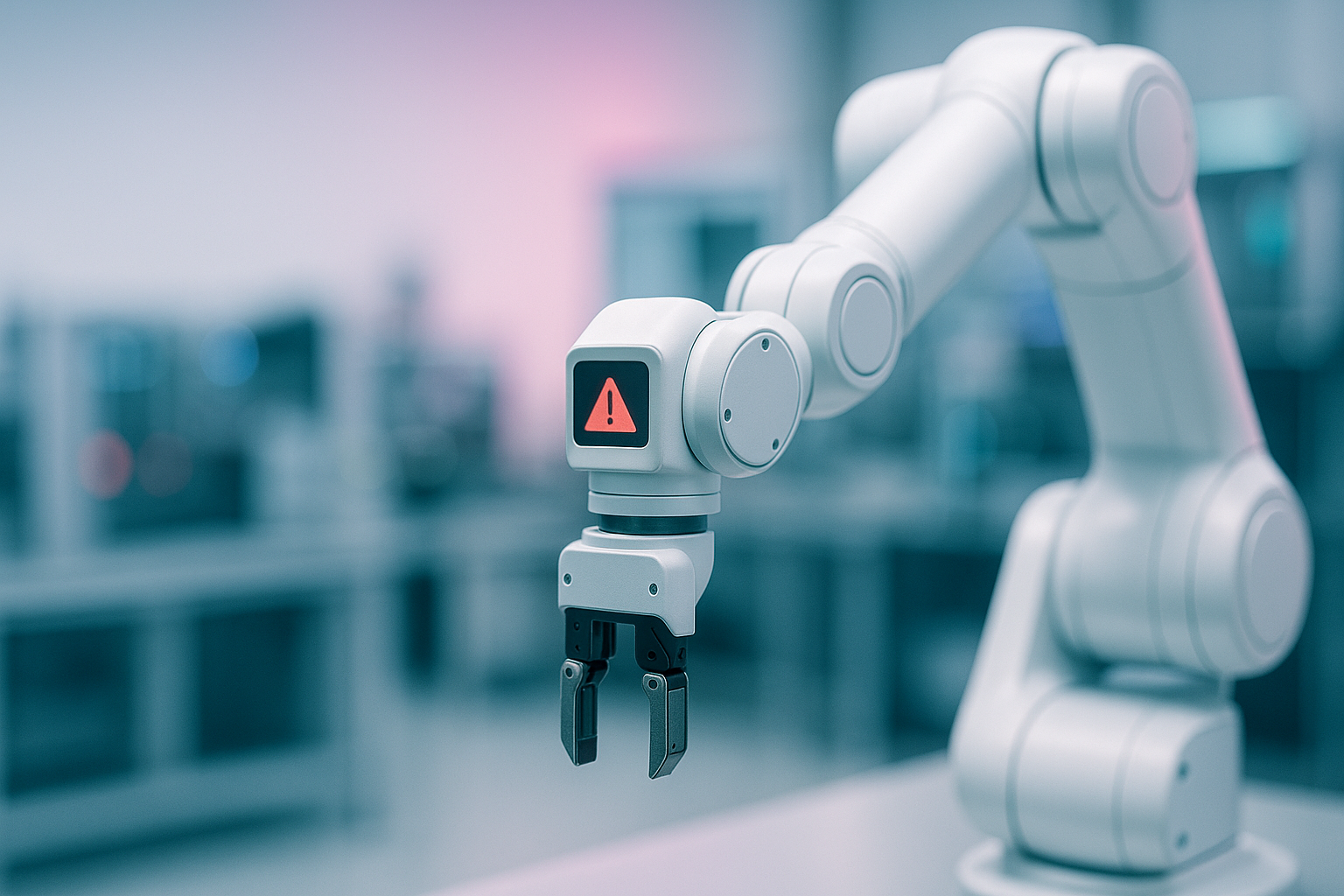
Three weeks ago an automation we built for our own invoicing quietly stopped pulling data from one client account. No error message. No crash. It just kept running on stale numbers for six days before anyone noticed.
Nobody noticed because the automation looked fine. It ran on schedule, it produced output, the output just happened to be wrong. That is the part that stuck with me. We spend so much energy worrying about AI systems that fail loudly, and almost none worrying about the ones that fail quietly and keep going.
Why silent failure is the real risk with business automation
A broken automation that throws an error is annoying but honest. Someone gets paged, someone fixes it, life goes on. A broken automation that keeps producing plausible looking output is a different animal entirely. It erodes trust slowly, and by the time you catch it, you are not sure how much damage was done or for how long.
In our case, an API the automation depended on changed its response format in a small way. Our script did not crash. It just started reading an empty field as zero instead of raising an error. Six days of invoices went out with the wrong totals for that one client.
What we changed at Esipick after this
We now build every client automation with a simple rule. If the data looks suspiciously clean or suspiciously empty, the system should flag it, not just process it. We added basic sanity checks everywhere. Is this number zero when it has never been zero before? Is this field empty when it is normally full? Those checks are not clever. They are almost boring. But they would have caught our own mistake in hours instead of days.
I also changed how I talk to clients about automation. We used to sell the idea that automation runs quietly in the background and you never have to think about it again. I do not say that anymore. The goal is not silence, it is visibility. A good automation should tell you what it did, and it should tell you loudly when something looks off.
Trust in AI is built by catching your own mistakes first
- Log what the automation actually did, not just that it ran
- Build sanity checks around the specific ways your data usually breaks
- Review your own automations the same way you would review a client one
Trust in AI does not come from AI being perfect. It comes from having a system that admits when something looks wrong instead of pretending everything is fine. We got a small, useful reminder of that on our own systems before it ever happened on a client system, and I would rather learn that lesson at home than in someone else business.
Every automation we ship now carries a bit of that week in it. Not fear of AI, just respect for how quietly it can go wrong if nobody is watching.
Want this automated for your business?
I build n8n workflows, WhatsApp automations, and AI pipelines — starting from $300. Most go live in under a week.
Get a Free Audit →