Why we made our COO an AI and what that actually means day to day
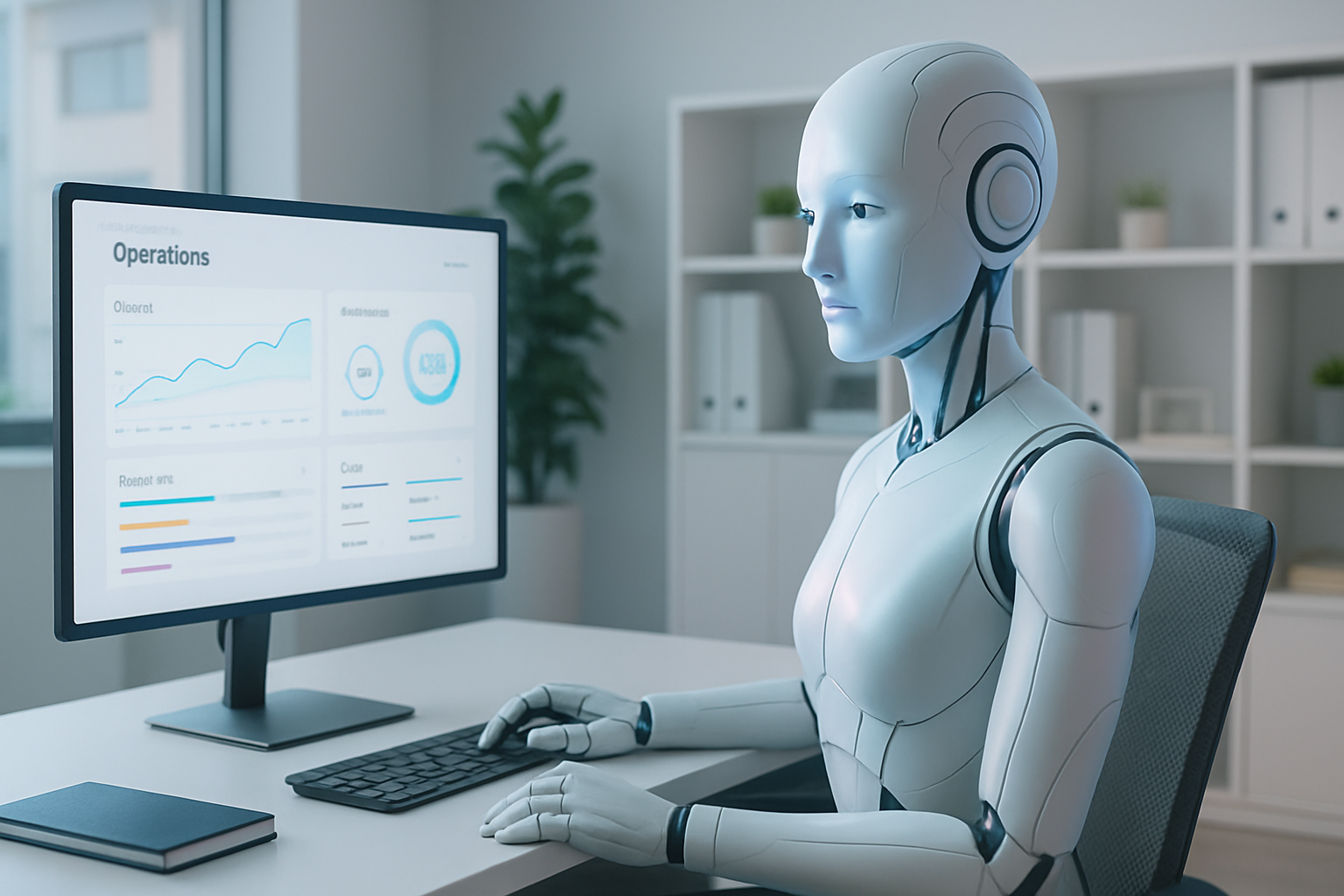
Six months ago I gave the title of COO to a piece of software. Not as a stunt, not for a demo video. The actual work of running operations at Esipick, tracking every project, chasing invoices, noticing when a client goes quiet, was work that software could do faster and without dropping anything. So I stopped pretending a human needed to own that job and just handed it over.
What the AI COO actually does each morning
It reviews every open project before I am awake. It checks which ones have not moved in a few days, flags the ones that look stuck, and drafts a short status note for each client. By the time I open my laptop I am not starting from zero, I am reading a summary and deciding what needs my judgment.
- Pulls project status from our tools and spots anything stalled
- Drafts client update messages for me to approve or send as is
- Watches invoice aging and reminds me before something gets late
- Tells me directly when a decision needs a human, instead of guessing
What it does not do
It does not set pricing on its own. It does not message a client without me seeing the draft first. It does not make calls that touch trust or money without a person signing off. I kept a human in that loop on purpose. Operations software that quietly acts on your behalf without telling you is how small agencies lose clients, not how they keep them.
The part that actually taught me something
Before the AI COO could run anything, we had to write our process down in plain language. What counts as a stalled project. What a healthy invoice cycle looks like. Who gets pinged and when. That exercise alone fixed half our operational problems before any software touched them. If your business cannot describe its own operations clearly, no automation will save it, it will just repeat the mess faster.
Why the title matters more than it sounds
I could have called this a dashboard or a workflow tool. I called it COO because that word changes how the team treats what it says. A dashboard is a suggestion you can ignore. A COO's morning report is something you read and act on. That framing alone made the whole team, including me, take the automation seriously instead of letting it sit unread.
I do not think every small business needs an AI running its operations by name. But I do think most small businesses are sitting on processes clear enough to hand off, and owners who are still doing the status checking themselves out of habit rather than necessity. That habit is the expensive part.
Want this automated for your business?
I build n8n workflows, WhatsApp automations, and AI pipelines — starting from $300. Most go live in under a week.
Get a Free Audit →